Quick answer: polyglutamic acid (PGA) and hyaluronic acid (HA) are both humectants, ingredients that attract and hold water in the top layers of skin. HA is the well-studied classic that gives an instant plump, dewy feel. PGA is a larger, fermentation-derived molecule that forms a light, flexible film on the surface, which helps reduce the feeling of moisture escaping. For most Indian skin, the answer is not either-or: both are gentle, both suit oily and dry skin, and they layer well together. The bigger difference comes from how you use them in our climate.
This guide explains what each ingredient does, what the research actually supports, how humidity and dry winter air in India change the picture, and how to fit them into a simple routine.
What is hyaluronic acid?
Hyaluronic acid is a sugar-based molecule (a glycosaminoglycan) that your own skin makes. A review in Dermato-Endocrinology describes HA as a key molecule in skin moisture because of its unique capacity to bind and retain water, and notes that HA levels in skin change with age and sun exposure (Papakonstantinou et al., 2012).
In skincare, HA comes in different molecular weights. Larger forms mostly stay on the surface and give that smooth, hydrated feel; smaller forms are often added for a lighter texture. Labels may list it as hyaluronic acid, sodium hyaluronate or hydrolysed hyaluronic acid.
What is polyglutamic acid?
Polyglutamic acid (often written as gamma-PGA or γ-PGA) is a chain of glutamic acid, an amino acid. It is produced by fermentation using Bacillus bacteria, the same family behind natto, the fermented soybean food from Japan. A 2024 review in Frontiers in Microbiology describes γ-PGA as a strong moisturising ingredient in cosmetics with high water absorption, and says it forms a soft, smooth film that helps limit transepidermal water loss (the water that evaporates from your skin) (Elbanna et al., 2024).
You will often see claims that PGA "holds four or five times more water than hyaluronic acid". Treat such numbers carefully: they mostly come from lab tests of the raw material, not from studies on people's faces. What we can say fairly is that PGA is a good film-forming humectant that leaves skin feeling soft and hydrated, without stickiness.
Polyglutamic acid vs hyaluronic acid: side by side
| Hyaluronic acid (HA) | Polyglutamic acid (PGA) | |
|---|---|---|
| Type | Humectant (sugar-based molecule) | Humectant + light film-former (amino-acid chain) |
| Source in skincare | Usually biofermentation | Bacterial fermentation (Bacillus) |
| Feel on skin | Instant plump, dewy feel | Soft, smooth, "cushioned" feel |
| Research depth | Well studied in skincare | Promising, fewer studies on human skin |
| Best known for | Drawing water into the surface layers | Helping reduce the feeling of moisture loss |
| Suits | All skin types | All skin types |
| Irritation risk | Low | Low |
Why Indian weather matters for humectants
Humectants work by pulling water toward them. Where that water comes from depends on the air around you.
Humid cities and monsoon months
In Mumbai, Chennai, Kolkata or Kerala, the air is often full of moisture, so humectants have plenty to work with. Here a light, water-based HA or PGA serum is usually enough on its own, with a gel moisturiser only if your skin wants it. Oily skin especially tends to like this lighter approach. See our oily skin routine for India.
Dry winters, AC rooms and the North
In Delhi NCR, Punjab, Rajasthan and much of North India from November to February, or in air-conditioned offices anywhere, the air is dry. In dry air, a humectant alone has less water to draw from, and skin can feel tight soon after. The fix is simple:
- Apply your HA or PGA serum to slightly damp skin, right after cleansing.
- Seal it in with a moisturiser that contains emollients or occlusives, such as ceramides, squalane or shea butter.
- This is where PGA's film-forming feel can help a little, but it still works best under a moisturiser.
For a full seasonal plan, read our winter skincare routine for India and Skin Barrier 101.
Which one should you choose?
- Oily or acne-prone skin in humid weather: either works. Pick the lightest, oil-free texture you enjoy using every day.
- Dry or tight-feeling skin in winter: use both if you can, on damp skin, sealed with a richer moisturiser.
- Sensitive-feeling skin: both are low-irritation choices; look for fragrance-free formulas and patch test first.
- Using actives like vitamin C, salicylic acid or azelaic acid: a humectant serum or moisturiser helps your skin feel comfortable while you use them.
Can you use polyglutamic acid and hyaluronic acid together?
Yes. They do not cancel each other out, and many formulas already combine them. A simple order is: thinnest to thickest. Apply a watery HA or PGA serum first, then your active serum if you use one, then moisturiser, and sunscreen in the morning.
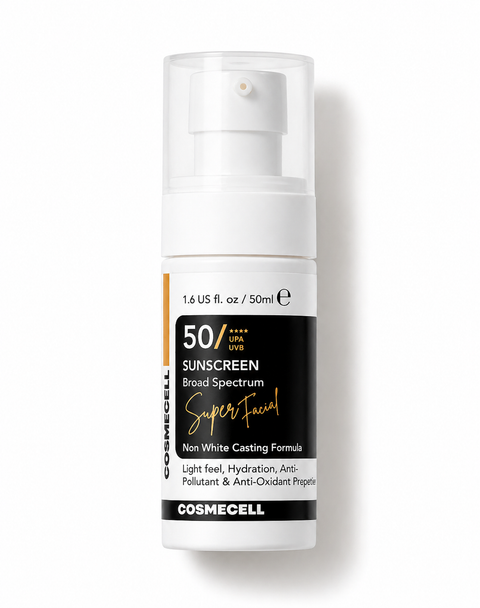
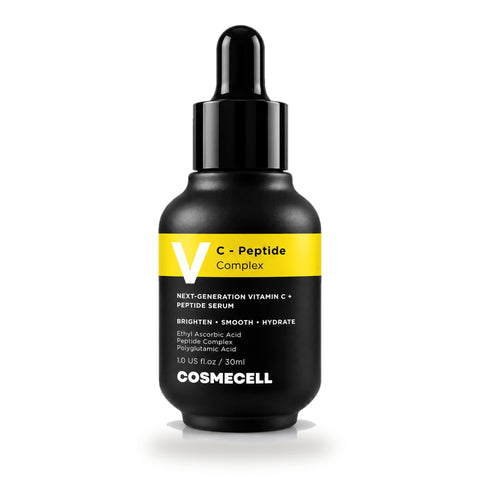
You also don't need separate bottles for each. A multi-tasking serum can do the job. For example, the Cosmecell VC-Peptide Complex combines polyglutamic acid with 3-O-ethyl ascorbic acid (a stable vitamin C derivative) and a peptide complex in a water-based, fragrance-free serum, so you get hydration and a brighter-looking glow in one step. In the morning, the Cosmecell SPF 50 PA++++ Daily Sunscreen adds a hyaluronic acid complex for a comfortable, hydrated feel under strong Indian sun.
A simple hydration routine for Indian skin
| Step | Morning | Night |
|---|---|---|
| 1. Cleanse | Gentle face wash | Gentle face wash (double cleanse on sunscreen or makeup days) |
| 2. Hydrate | HA or PGA serum on damp skin | HA or PGA serum on damp skin |
| 3. Moisturise | Gel (humid) or cream (dry) | Cream, richer in winter |
| 4. Protect | Broad-spectrum SPF 50, reapplied when outdoors | — |
If you want a mild exfoliating cleanser that doesn't leave skin feeling stripped, the Cosmecell Gentle Glycolic Acid Cleanser pairs glycolic acid with lactobionic acid, which supports moisture balance while cleansing.
Frequently asked questions
Is polyglutamic acid better than hyaluronic acid?
Not clearly. HA has more research behind it in skincare; PGA is promising and adds a soft, film-like feel. Both are gentle humectants, and many people get the best feel from using them together.
Is polyglutamic acid good for oily skin?
Yes. It is water-soluble, oil-free and lightweight, so it suits oily and combination skin, including in humid Indian weather.
Can hyaluronic acid make skin feel drier?
In very dry air, a humectant used alone may leave skin feeling tight. Apply it to damp skin and follow with a moisturiser to seal hydration in.
Can I use PGA or HA with vitamin C?
Yes. Both pair well with vitamin C, niacinamide and most actives. See our guide to layering vitamin C and niacinamide.
Do I need to patch test hydrating serums?
Yes. Even gentle formulas can contain other ingredients that don't suit everyone. Apply a small amount on your inner arm or behind the ear for 24–48 hours before using it on your face.
Looking for a lightweight, fragrance-free serum that hydrates and helps skin look brighter? Explore the Cosmecell VC-Peptide Complex.
Sources: Papakonstantinou E, Roth M, Karakiulakis G. Hyaluronic acid: A key molecule in skin aging. Dermato-Endocrinology, 2012. Elbanna K et al. Poly (γ) glutamic acid: a unique microbial biopolymer with diverse commercial applicability. Frontiers in Microbiology, 2024.
This guide is for general cosmetic skincare information and is not medical advice. Patch test new products. For persistent dryness, itching or skin concerns, see a dermatologist.